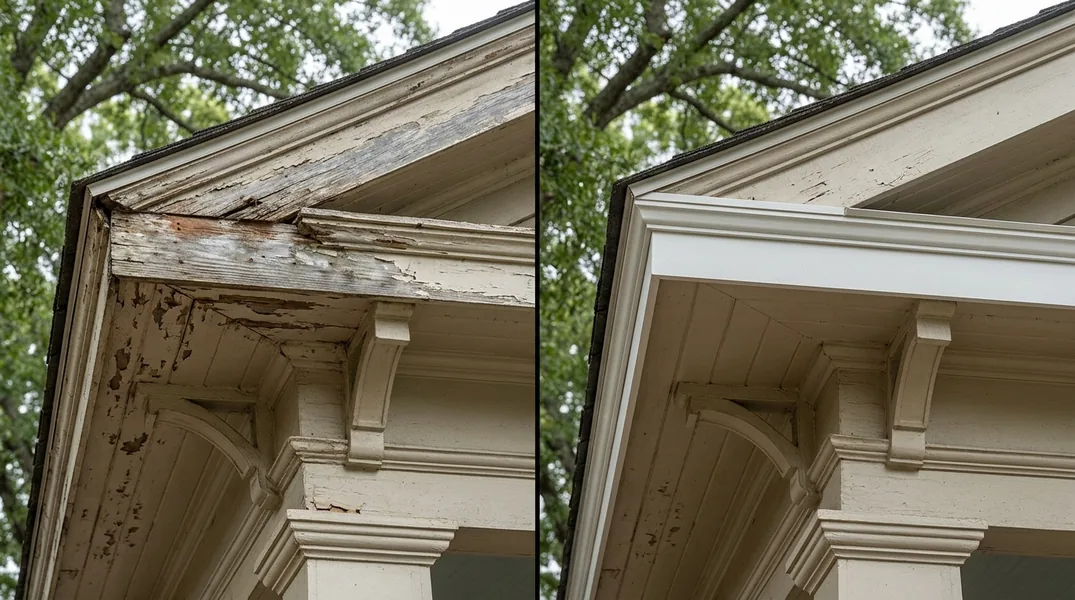
The Perfect Storm: Why Charlotte's Climate Breeds Wood Rot
Charlotte homeowners face a unique challenge when it comes to protecting their properties from wood damage. The region's subtropical climate, combined with high humidity and frequent rainfall, creates an ideal breeding ground for both wet rot and dry rot fungi. Unlike drier climates out west, Charlotte experiences moisture levels that remain elevated for much of the year, especially during the spring and summer months.
Bungalows, which were built in large numbers throughout the early-to-mid 20th century in the Charlotte area, are particularly vulnerable to these conditions. Their lower profiles, often with crawl spaces rather than basements, mean they sit closer to ground moisture. Combined with aging roof systems and original foundation designs that predate modern moisture barriers, these charming older homes become prime targets for wood deterioration. The longer a bungalow sits exposed to Charlotte's damp conditions without proper maintenance, the faster rot progresses.
Red Clay Drainage and Wood Damage: The Hidden Connection
One factor that many Charlotte homeowners overlook is the region's distinctive red clay soil. While beautiful and characteristic of the Piedmont region, red clay has poor drainage properties. When heavy rains fall, water sits around foundation perimeters longer than it would in sandy or well-draining soils. This pooling moisture wicks up into wood sills, rim joists, and subfloor framing, creating the exact wet environment that fungi need to thrive.
The challenge is compounded by older bungalow construction practices. Many homes built before 1950 lack proper moisture barriers between the soil and the wood structure. Without a functional vapor barrier or adequate ventilation in the crawl space, moisture becomes trapped. Homeowners often don't notice the problem until visible signs appear: soft spots in the floor, discoloration on wood members, or a musty smell in the basement or crawl space. By that time, rot has often progressed significantly, making Wood Rot & Dry Rot Repair more extensive and costly than it might have been with earlier intervention.
Storm Damage Repair: When Roofs Fail and Water Finds Its Way In
Charlotte experiences its share of severe weather, from summer thunderstorms to occasional tropical systems. When roofing fails due to age, storm damage, or poor maintenance, water infiltration can accelerate wood rot dramatically. A small roof leak might go unnoticed for weeks or months, allowing water to soak into attic framing, wall cavities, and eventually the structural members below. This is where Charlotte bungalows face particular risk, as many have original roof systems that are decades past their intended lifespan.
Storm damage doesn't always announce itself loudly. You might not see water stains immediately, especially if the leak occurs in an attic space or behind a wall cavity. However, the wood begins to soften almost immediately once exposed to moisture. Fungi spores, which are present in virtually all outdoor air, germinate and begin breaking down the wood's cellular structure. Within weeks, structural integrity can be compromised. This is why prompt Wood Rot & Dry Rot Repair following any storm damage is critical. Delaying assessment and repairs can turn a manageable repair into a major structural restoration project.
Identifying Dry Rot vs. Wet Rot in Your Charlotte Bungalow
Understanding the difference between wet rot and dry rot can help you recognize problems early. Wet rot, the most common type in Charlotte, requires high moisture content (typically above 20 percent) to develop. It's found in areas with active water intrusion: around leaking plumbing, under poorly sealed windows, or in crawl spaces with inadequate drainage. Wet rot tends to be localized and, if the moisture source is eliminated, can be halted. However, the affected wood must still be removed and replaced to restore structural integrity.
Dry rot, despite its name, also requires some moisture to start but can spread through wood even when it appears dry. This fungus produces enzymes that allow it to travel through wood and even across masonry surfaces, seeking new wood to colonize. Dry rot is more dangerous because it can spread beyond the visible damage area and is harder to contain. Both types thrive in the warm, humid conditions that characterize Charlotte's climate. If you notice wood that feels soft, crumbles when poked, or has a distinctive musty odor, it's time to contact a professional for assessment and Wood Rot & Dry Rot Repair services.
Wood Rot & Dry Rot Repair Near Me: When to Call a Professional
Homeowners often ask whether they can handle wood rot repairs themselves. While minor surface issues might seem manageable, structural wood rot requires professional expertise. The scope of damage is rarely limited to what you can see on the surface. Rot typically extends deeper into wood members than visible signs suggest, and determining how much wood must be removed to ensure all fungal growth is eliminated requires trained assessment. Additionally, Floor Joist & Subfloor Repair or repairs involving load-bearing members demand structural engineering knowledge to ensure replacements maintain your home's integrity.
Charlotte Carpentry specializes in identifying and addressing wood rot at all severity levels. Our team begins with a thorough inspection, using moisture meters and visual assessment to determine damage extent and identify the moisture source. We then develop a repair plan that addresses not just the visible rot but also the conditions that allowed it to develop. This might include improving crawl space ventilation, installing moisture barriers, addressing drainage issues, or replacing compromised structural members. If your bungalow shows signs of wood rot, don't wait for the problem to worsen. Contact Charlotte Carpentry at (980) 324-3978 to schedule your free estimate today.
Wood Rot & Dry Rot Repair Cost in Charlotte: What to Budget
The cost of wood rot repair varies significantly depending on damage severity, location, and the extent of structural members affected. A small, localized area of surface rot might cost a few hundred dollars to address, while extensive rot affecting floor joists, beams, or wall framing can run into thousands. This is why early detection matters financially as well as structurally. Catching rot in its early stages typically means less wood must be removed and replaced, keeping costs lower.
Several factors influence pricing for wood rot repair. The location of the damage (crawl space, attic, visible walls) affects labor costs. Whether the repair involves load-bearing members requiring Beam Replacement & Load-Bearing Wall Removal services impacts complexity and cost. The moisture source must also be corrected, which might involve roof repair, gutter work, or drainage improvements. Charlotte Carpentry provides transparent pricing after a detailed inspection. We'll walk you through what needs to be done and why, so you understand exactly where your investment is going. For a detailed assessment of your specific situation and a customized quote, reach out to us at (980) 324-3978 or request a free estimate through our website.
Looking for a professional carpentry contractor in Charlotte? Charlotte Carpentry responds fast for all your carpentry needs.
Get a Free QuoteOur services: Wood Rot & Dry Rot Repair · Termite Damage Repair · Floor Joist & Subfloor Repair