Why Is My Floor Sagging? Common Causes in Older Charlotte Homes
If you own an older bungalow in Charlotte, you may have noticed your floors dipping or sloping slightly. This isn't just a cosmetic issue. Sagging floors are a red flag that something is wrong beneath the surface, and the sooner you identify the cause, the sooner you can prevent costly structural damage.
The most common culprit behind sagging floors in Charlotte bungalows is Wood Rot & Dry Rot Repair in the floor joists and support beams. These wooden structural elements are vulnerable to moisture damage, especially in older homes where drainage, grading, or ventilation may be inadequate. When wood absorbs moisture over years, it loses its strength and begins to compress, causing the floor above to settle unevenly. Basements and crawl spaces with poor ventilation or standing water are particularly prone to this problem.
Termite Damage Repair is another serious cause of floor sagging. Subterranean termites tunnel through wood, hollowing it out from the inside. A homeowner may not notice the infestation until the structural damage is severe enough to cause visible floor movement. Similarly, carpenter ants can weaken joists and beams over time. Both pests thrive in damp environments, so moisture issues and pest problems often go hand in hand.
Age and normal settling also play a role. Older bungalows were often built with smaller, less robust joists than modern building codes require. Over 70 or 80 years, the cumulative weight of the home, combined with minor wood shrinkage and settlement, can result in a slight sag. However, if the sag is noticeable or getting worse, it's not normal aging. It's a sign that structural support is failing and needs professional attention.
Floor Joist & Subfloor Repair: Understanding Your Options
Floor Joist & Subfloor Repair comes in several forms, depending on the severity of the damage and the structural requirements of your home. The approach your contractor recommends will depend on how much of the joist is compromised, the load it bears, and whether the damage is localized or widespread.
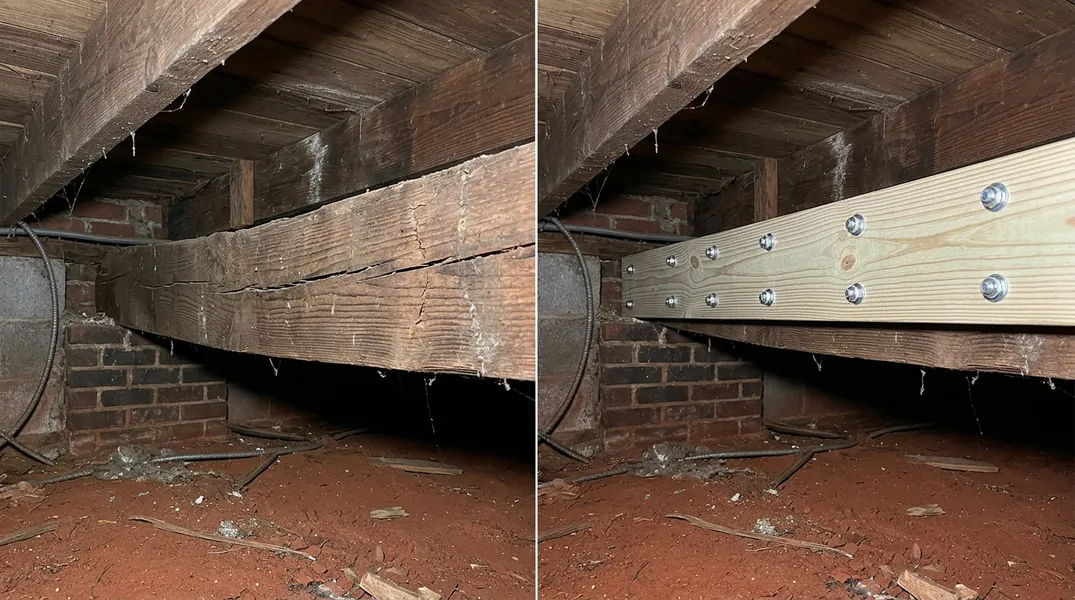
One of the most common repair methods is sistering floor joists. Sistering involves fastening a new, straight joist alongside the damaged one, effectively sharing the load between the old and new member. This technique works well when the existing joist still has some structural integrity but has sagged or warped. The new joist is typically bolted or lag-screwed to the old one at regular intervals, creating a composite beam that's stronger than either piece alone. Sistering is less invasive than full joist replacement because it doesn't require removal of the existing wood, which can be important if the joist is heavily connected to other structural elements.
If the damage is too severe, full joist replacement may be necessary. This involves temporarily supporting the floor with adjustable posts or a beam, removing the damaged joist entirely, and installing a new one. This is more disruptive and costly than sistering, but it's sometimes the only safe option. In cases where multiple joists are compromised, or where the main support beam has failed, Beam Replacement & Load-Bearing Wall Removal may be required to restore proper structural support to your home.
Before any repair work begins, the underlying cause of the damage must be addressed. If wood rot is present, the source of moisture must be eliminated. If termites are involved, professional pest treatment is essential. Failing to fix the root cause means your new joists will eventually fail the same way. This is why Charlotte Carpentry always performs a thorough inspection and works with moisture control and pest management specialists to ensure repairs are permanent.
Sagging Floor Repair Cost in Charlotte: What to Budget
The pricing for sagging floor repair varies widely depending on the scope of work, the number of joists affected, and the accessibility of the crawl space or basement. For a homeowner trying to budget for repairs, it's helpful to understand the factors that drive cost.
A single sistered joist typically costs between $800 and $2,000, depending on the joist's length and the difficulty of access. If your crawl space is tight or cluttered, labor costs increase. Repairing two to four joists usually runs $2,500 to $6,000. If the damage is more extensive and requires full joist replacement or support beam work, costs can easily exceed $10,000 to $20,000 or more. In some cases, if the main support beam has failed and requires replacement, you could be looking at $15,000 to $40,000 depending on the span and the complexity of the installation.
It's important to note that these figures cover only the carpentry work. If wood rot is the cause, you may need to address moisture issues, improve drainage, or install a sump pump, which adds to the total cost. If termites are involved, pest treatment could add another $1,000 to $3,000. However, investing in proper repairs now is far cheaper than waiting until the floor collapses or the structural damage spreads to walls and the foundation.
The best way to understand the true cost of your repair is to get a free estimate from a qualified contractor. Charlotte Carpentry offers detailed inspections and transparent quotes so you know exactly what you're paying for and why. Call (980) 324-3978 to schedule your assessment today.
How to Know If Your Floor Needs Professional Repair
Not every sloped floor is an emergency, but certain warning signs should prompt you to call a professional right away. If you notice that floors are sagging noticeably in one area, doors are sticking or not closing properly, or you see cracks forming in walls or ceilings, these are all indicators that structural movement is occurring. A floor that slopes more than 1/8 inch per 10 feet is considered beyond normal settlement and should be evaluated by a structural professional.
Another telltale sign is a musty smell in the crawl space or basement, which suggests moisture and possible wood rot. If you can press your finger into a joist and it leaves an indentation, the wood is compromised. Visible mold, soft wood, or dark staining on joists all point to moisture damage. In some cases, you might hear creaking or popping sounds as the home settles unevenly, or feel the floor bounce slightly when you walk across it. All of these symptoms warrant a professional inspection.
The good news is that catching sagging floors early makes repairs simpler and less expensive. If you're concerned about your home's structural integrity, don't wait. Charlotte Carpentry specializes in diagnosing and repairing floor problems in older homes throughout the Charlotte area. We can identify whether your sagging is due to wood rot, termites, poor support, or normal aging, and we'll recommend the most cost-effective solution. Contact us at (980) 324-3978 or visit our website to request a free estimate.
Prevention: Protecting Your Floors From Future Damage
Once your sagging floors have been repaired, the next step is prevention. The best way to protect your home's structural integrity is to control moisture. Crawl spaces should be properly ventilated or, in some cases, encapsulated with a vapor barrier. Make sure gutters and downspouts direct water away from your foundation, and ensure that grading slopes away from the house so water doesn't pool near the base. If you have a basement, a sump pump and proper drainage system can prevent standing water and keep wood dry.
Regular inspections are also crucial. Once a year, especially after heavy rain or in spring and fall, take a flashlight and check your crawl space or basement for signs of moisture, mold, or pest activity. Look for soft or discolored wood, mud tubes from termites, or any unusual odors. Catching problems early can prevent them from becoming expensive structural repairs. If you notice anything concerning, don't hesitate to call Charlotte Carpentry for a professional evaluation.
Finally, maintain your home's exterior. Keep wood siding, fascia, and trim painted or sealed to prevent water infiltration. Address roof leaks immediately, as water running down into walls and eventually into the crawl space can cause widespread damage. These preventive steps are far less expensive than repairing sagging floors or dealing with termite infestations. By being proactive, you can keep your Charlotte bungalow safe, sound, and structurally solid for decades to come.
Get Your Sagging Floor Evaluated by Charlotte's Trusted Repair Specialists
Sagging floors are not a problem you should ignore or try to fix yourself. Structural repairs require specialized knowledge, proper tools, and often temporary support systems to ensure safety during the work. Charlotte Carpentry has been helping homeowners throughout Charlotte address floor sagging, wood rot, termite damage, and other structural issues for years. We understand the unique challenges of older bungalows and know how to restore them to safe, solid condition.
Our team starts with a thorough inspection to identify the root cause of your sagging floors. We explain our findings in clear, straightforward language and provide detailed recommendations with honest pricing so there are no surprises. Whether you need sistering floor joists, full joist replacement, or more extensive structural work, we handle it all with professionalism and attention to detail.
If you're concerned about sagging floors or suspect structural damage in your Charlotte home, don't delay. Call Charlotte Carpentry at (980) 324-3978 or visit our website to request a free estimate. We'll help you understand what's wrong and get your home back on solid ground.
Looking for a professional carpentry contractor in Charlotte? Charlotte Carpentry responds fast for all your carpentry needs.
Get a Free QuoteOur services: Wood Rot & Dry Rot Repair · Termite Damage Repair · Floor Joist & Subfloor Repair