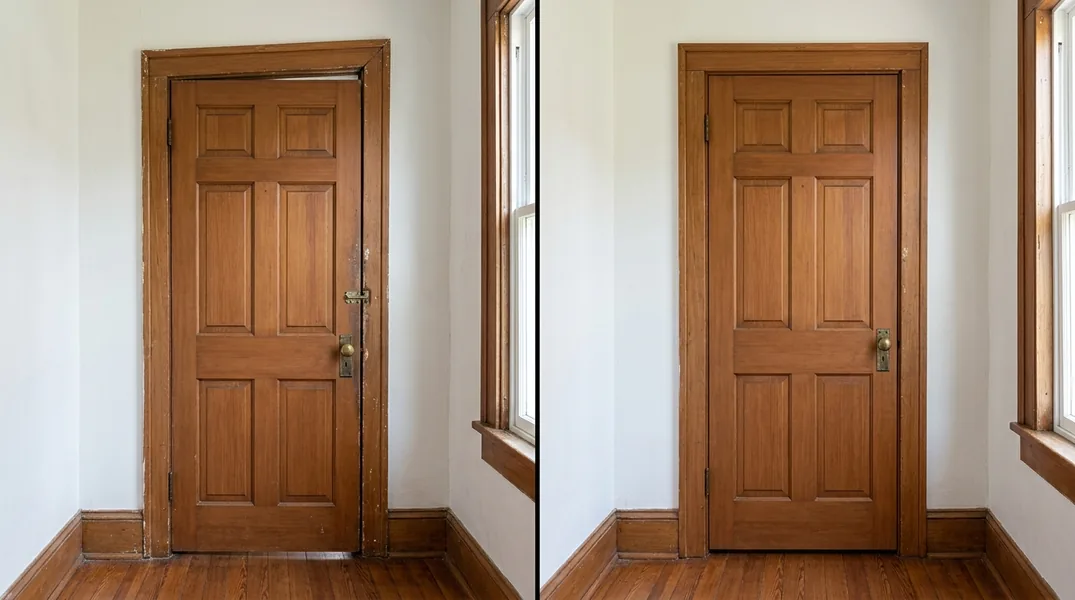
Understanding Wood Rot: The Foundation of Your Decision
Wood rot is one of the most common structural problems homeowners face, yet many don't understand what causes it or how serious it really is. At its core, wood rot occurs when moisture penetrates wood and creates an environment where fungi thrive. These fungi break down the cellulose in the wood, gradually weakening its structural integrity. The longer rot goes unaddressed, the more extensive and expensive the damage becomes.
The decision to repair or replace rotted wood isn't always straightforward. Some homeowners assume that all rotted wood must be torn out and replaced, which can lead to unnecessary expenses. Others try to patch minor rot and end up with a recurring problem. The truth lies somewhere in between, and the right choice depends on several factors including the extent of the damage, the location of the rot, and how quickly you can address it. Understanding these variables will help you make an informed decision that protects your home and your wallet.
When You Can Actually Repair Rotted Wood Without Replacing It
The good news is that not all rotted wood requires replacement. If you catch rot early, Wood Rot & Dry Rot Repair can often be handled through targeted repair methods. Surface rot, which affects only the outer layers of wood, is frequently a candidate for repair. This type of rot typically results from prolonged exposure to moisture on a deck, trim, or siding that hasn't yet compromised the structural core of the wood.
To repair rotted wood without replacing it, contractors typically remove the affected area, treat it with a wood hardener or consolidant, fill the void with wood filler or epoxy, and then seal the repaired section to prevent future moisture intrusion. This approach works well for rot that hasn't spread deep into the wood or across multiple structural members. In Charlotte, where humidity and seasonal moisture are constant challenges, catching rot at this stage can save thousands of dollars compared to full replacement.
However, successful repair depends on addressing the underlying moisture problem. If the rot was caused by a leaking gutter, poor drainage, or a roof leak, those issues must be fixed first. Otherwise, the rot will simply return to the repaired area. This is why professional assessment matters so much. A trained eye can determine not just the extent of visible rot, but also whether the conditions that caused it are still present.
Signs You Need to Replace Rotted Wood Siding and Structural Members
Some situations demand full replacement rather than repair. If rot has penetrated deep into the wood, spread across multiple boards, or compromised structural integrity, patching won't solve the problem. Structural members like floor joists, beams, or wall studs that show significant rot must be replaced to maintain the safety and stability of your home. Similarly, if you notice soft spots when you press on the wood with a screwdriver, or if the rot has spread across more than 30 percent of a board's thickness, replacement is the safer choice.
When it comes to replace rotted wood siding, the decision often depends on whether the rot is limited to individual boards or has affected the underlying structure. If only the siding is compromised and the sheathing beneath is sound, replacing the siding alone may be sufficient. However, if water has penetrated to the house wrap, insulation, or framing, the scope of work expands significantly. This is particularly common in older homes in Charlotte where original siding has weathered decades of rain and sun exposure.
Structural damage also influences the replacement decision. If rot has weakened Floor Joist & Subfloor Repair areas, support beams, or load-bearing walls, replacement is not optional. Continuing to rely on compromised structural members puts your home and family at risk. In these cases, a professional assessment from Charlotte Carpentry is essential to determine the full scope of damage and the best repair strategy.
Wood Rot & Dry Rot Repair Cost in Charlotte: What to Budget
Understanding wood rot repair cost helps you plan financially and avoid sticker shock. Repair costs vary widely depending on the severity and location of the damage. Minor surface rot on trim or deck boards might cost between $300 and $800 to repair, while more extensive rot affecting multiple boards or structural members can range from $1,500 to $5,000 or more. Replacement costs are typically higher, often ranging from $2,000 to $10,000 depending on the area affected and materials used.
Several factors influence the final cost. The accessibility of the damaged area matters significantly. Rot in an attic or crawlspace may be more expensive to address than rot on an exterior wall. The type of wood and whether it's decorative or structural also affects pricing. Additionally, if the underlying cause of the rot (such as a roof leak or foundation drainage issue) must be repaired simultaneously, costs increase accordingly. In Charlotte's climate, where moisture-related problems are common, addressing the root cause is essential to prevent expensive future repairs.
The best way to understand your specific situation is to request a free estimate from a qualified contractor. They can inspect the damage, determine whether repair or replacement makes sense, and provide transparent pricing. This allows you to make an informed decision rather than guessing about costs or attempting repairs that might worsen the problem.
Storm Damage and Rot: Acting Fast Makes a Difference
Storm damage often accelerates wood rot by creating new pathways for moisture to enter your home. Broken roof shingles, damaged siding, or compromised flashing allow water to penetrate areas that were previously protected. If you don't address storm damage promptly, what started as a simple repair can quickly evolve into extensive rot that requires replacement. This is why homeowners in Charlotte should prioritize storm damage assessment immediately after severe weather.
The window for effective repair is relatively short. Once water begins seeping into wood, fungi can establish themselves within days during warm, humid weather. By the time rot becomes visible, it may have already spread deeper than you realize. Acting within the first week or two of discovering water damage gives you the best chance of preventing costly rot development. This urgency is another reason to consult with professionals who can assess hidden damage behind walls and under roofing materials.
Wood Rot & Dry Rot Repair Near Me: When to Call a Professional
Deciding between DIY repair and professional help depends on your comfort level, the scope of damage, and the structural importance of the affected area. Minor surface rot on non-structural trim might be manageable for a handy homeowner with the right materials and tools. However, any rot affecting structural members, hidden areas, or large sections of wood should be handled by professionals. Mistakes in structural repairs can compromise your home's safety and lead to far more expensive problems down the road.
Professional contractors bring expertise that goes beyond simply removing and replacing wood. They can identify the underlying moisture source, recommend permanent solutions, and ensure repairs meet building codes. They also have access to specialized materials and equipment that produce longer-lasting results. When you're dealing with significant rot in Charlotte, calling Charlotte Carpentry at (980) 324-3978 ensures the job is done right the first time. Whether your situation calls for repair or replacement, getting professional guidance protects your investment and gives you peace of mind.
Looking for a professional carpentry contractor in Charlotte? Charlotte Carpentry responds fast for all your carpentry needs.
Get a Free QuoteOur services: Wood Rot & Dry Rot Repair · Termite Damage Repair · Floor Joist & Subfloor Repair