Why Historic Homes in Charlotte Demand Different Wood Care
If you own a Myers Park Colonial or a Dilworth Bungalow, you live in one of Charlotte's most architecturally significant neighborhoods. These homes, many built between the 1890s and 1930s, carry character and charm that newer construction simply cannot replicate. But that beauty comes with a responsibility: understanding the unique vulnerabilities of older wood-frame structures.
Historic homes were built with materials and methods that differ fundamentally from modern construction. The timber used in these properties, while often of higher quality than what's available today, has been exposed to over a century of weather, settling, and seasonal movement. The wood siding, interior framing, and foundational beams in your Myers Park or Dilworth home are not the same as the engineered lumber in a 2020s subdivision home. They require a maintenance mindset that acknowledges age, respects original craftsmanship, and addresses problems before they become catastrophic. Homeowners who understand this distinction avoid thousands of dollars in emergency repairs down the road.
Understanding Wood Rot, Dry Rot, and Why Your Historic Home Is Vulnerable
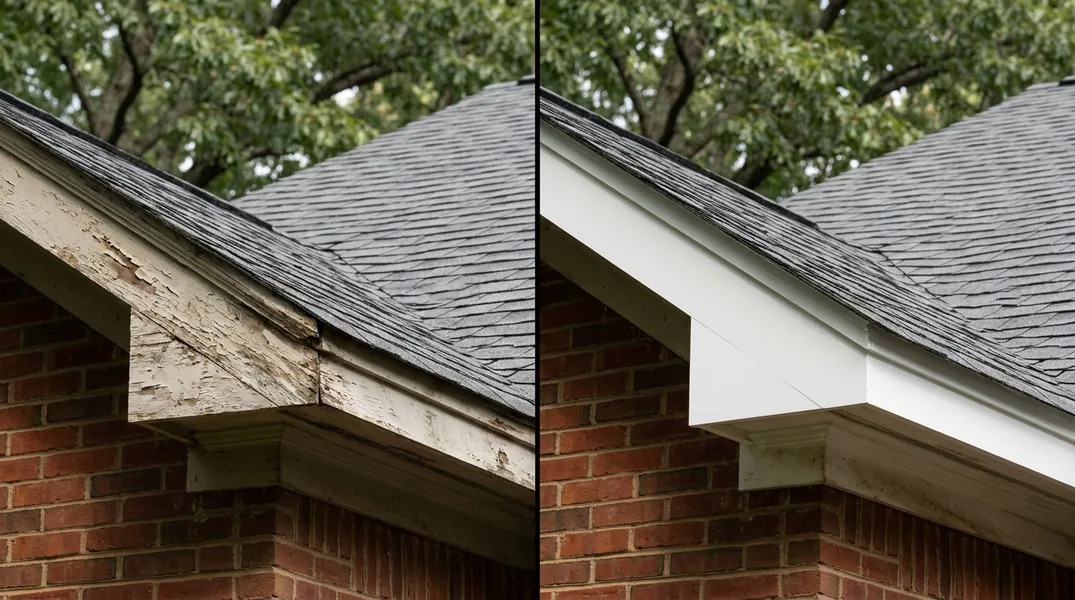
Wood Rot & Dry Rot Repair is not a luxury service for historic home owners; it's essential preventive medicine. Wood rot occurs when moisture penetrates wood and fungal spores begin to decompose the cellulose structure. In a Myers Park Colonial with original wood siding and trim, this happens gradually and often invisibly. A small roof leak, improper gutter maintenance, or failed caulking around a window frame creates the perfect environment for fungal growth. Within months, structural wood that appears sound on the surface may be soft and compromised underneath.
Dry rot is a specific type of fungal decay that thrives in poorly ventilated, damp spaces. It spreads rapidly through wood and can move from one structural member to another if left unchecked. Historic homes in Charlotte are particularly susceptible because many have crawl spaces with inadequate ventilation, basements with moisture issues, or attics where roof leaks go unnoticed for years. The problem is compounded by the fact that many homeowners don't realize damage exists until the wood has already lost significant structural integrity. By then, what could have been a localized repair becomes a major renovation.
Historic Home Maintenance Charlotte: A Year-Round Checklist
Protecting your Dilworth Bungalow or Myers Park Colonial requires consistent, seasonal attention. Spring is the time to inspect your roof and gutters thoroughly. Look for missing shingles, rust stains on fascia boards, and debris accumulation. Gutters clogged with leaves and pine needles cannot channel water away from your home, and water that pools against your foundation or drips behind your siding will eventually cause wood rot. Check all exterior caulking around windows and doors, and reapply where gaps have opened. In Charlotte's humid subtropical climate, these gaps are highways for moisture infiltration.
Summer is an ideal time to inspect your wood siding for soft spots, peeling paint, or areas where the wood has begun to separate from the house. Gently press your fingers against siding in various locations. If the wood feels spongy or your finger leaves an indentation, that's a sign of moisture damage. Don't wait to address it. Fall maintenance should focus on your attic and crawl space. Look for water stains on rafters, signs of roof leaks, or moisture on insulation. Winter, though mild in Charlotte, is still a time when ice dams can form and when interior heating creates temperature differentials that draw moisture into walls. Keep an eye on basement or crawl space moisture levels during winter rains.
Wood Siding Repair: Preserving the Character of Your Historic Home
Wood siding repair in a historic home is not simply about functionality; it's about preservation. A Myers Park Colonial with original lap siding or a Dilworth Bungalow with board-and-batten walls has architectural value that extends beyond the structural. When wood siding fails, homeowners face a choice: replace with modern materials or repair and restore the original wood. Many historic preservation guidelines and neighborhood covenants in Charlotte favor restoration, and rightfully so. Original siding tells the story of your home's age and craftsmanship.
The challenge is that finding matching materials and skilled craftspeople who understand historic wood siding repair is not trivial. Modern pressure-treated lumber doesn't match the grain, density, or appearance of old-growth timber. Repairing historic siding often means carefully removing damaged boards, replacing only the affected sections, and refinishing to match the original. This work requires knowledge of period-appropriate materials, paint systems, and techniques. Attempting DIY repairs or hiring contractors unfamiliar with historic homes can result in cosmetic fixes that mask deeper rot or repairs that damage the original fabric of the structure. This is where professional guidance becomes invaluable.
When Damage Runs Deep: Structural Repairs and Floor Joists
Not all wood damage is confined to siding and trim. When rot penetrates into the structural skeleton of your home, the stakes become much higher. Floor Joist & Subfloor Repair is often necessary in older homes where moisture has migrated into the crawl space or basement over decades. Soft or rotted floor joists compromise the structural integrity of your entire home. You may notice sagging floors, squeaking, or uneven surfaces. In some cases, homeowners don't realize the problem exists until foundation settling or structural movement becomes visible in the form of cracks in plaster walls or doors that no longer close properly.
Addressing structural rot requires professional assessment and engineering. Beam Replacement & Load-Bearing Wall Removal work must be done with temporary support systems in place to ensure the safety of your home during repairs. This is not a weekend project for a homeowner, and it's not a task for a general contractor without specific experience in structural carpentry. The good news is that many structural rot problems can be prevented entirely through diligent moisture control, proper ventilation, and early intervention when soft wood is first detected.
Wood Rot & Dry Rot Repair Cost in Charlotte: What to Budget
Understanding the pricing for wood rot and dry rot repair helps homeowners make informed decisions and avoid sticker shock. Small, localized repairs to wood siding or trim can range from a few hundred to a couple thousand dollars, depending on the extent of damage and the cost of matching materials. Larger repairs involving multiple boards, structural members, or interior damage naturally cost more. The key variable is how much damage exists and whether the rot has spread beyond the visible area.
This is precisely why getting a professional assessment early is so important. A contractor who takes time to probe and evaluate the full extent of damage can provide an accurate estimate. Charlotte Carpentry offers a free estimate for wood rot and structural damage assessment. During this evaluation, you'll learn exactly what needs to be repaired, why, and what the realistic costs are. Delaying repair because you're uncertain about cost often results in damage spreading and expenses doubling or tripling. Early action is always the more economical choice. For questions or to schedule your assessment, call (980) 324-3978.
Looking for a professional carpentry contractor in Charlotte? Charlotte Carpentry responds fast for all your carpentry needs.
Get a Free QuoteOur services: Wood Rot & Dry Rot Repair · Termite Damage Repair · Floor Joist & Subfloor Repair